Queer men in Asheville live in one of the most genuinely accepting small cities in the South. The culture is real, not performed. Nobody blinks. You can hold your partner's hand on Lexington Avenue and the only people who notice are tourists who think it's charming.
And some of those same men feel completely unmoored.
Not because the city failed them. Because they moved here carrying something the city has no way of touching. The shame they've been managing since adolescence. The evangelical framework that ran so deep it shaped how they talk to themselves at 3am. The marriage they stayed in for fifteen years not because they didn't know but because knowing had consequences they couldn't face yet. Asheville accepted them. The question is whether they've been able to accept themselves.
This piece is for that specific man. Not the tourist passing through, not the guy who's been out since college and is looking for the right neighborhood. The queer man in Asheville NC who arrived here, or is thinking about arriving here, in the middle of something that doesn't have a clean name. Who came out at 38, or 45, or who still hasn't said the word out loud to anyone. Who carries a religious past that he's tried to set down and keeps finding in his hand again.
The research on this is unambiguous: a 2025 study published in the Journal of Homosexuality found that religion suppressed sexual orientation disclosure in 59.2% of LGBTQ+ respondents, with participants reporting fear, shame, and rejection from religious organizations as the primary mechanisms. That's not a minority experience. It's the majority. Gay men coming out later in life are almost always carrying this. Not because they were weak or confused but because the conditioning was thorough and the stakes of getting it wrong were real.
What happens when those men land somewhere affirming is interesting. Sometimes there's relief. Sometimes there's disorientation. Sometimes the openness of the environment makes the internal weight harder to ignore, not easier. Now the excuse is gone. The city said yes. Everything else is you.
The city said yes. Everything else is you.
The queer community in Asheville is genuinely good. There are organizations here, queer-owned businesses, Pride, regular events, spaces where people are doing real work. That community matters. But community and coaching are different things. A welcoming bar doesn't ask you why you've spent thirty years making yourself acceptable. A Pride march doesn't help you figure out who you actually are once you've stopped organizing your identity around what you were supposed to be. Those require a different kind of conversation.
A 2023 study in SAGE Open Nursing found that fear of rejection, negative reactions, and disappointing people were the reasons men didn't disclose their sexual orientation, and that those who did come out described a feeling of liberation. That gap between the fear and the relief is where most men get stuck. The fear made sense when the consequences were real. It doesn't dissolve automatically when the consequences change. Something has to happen in that space.
That's what religious trauma recovery work actually addresses: not the theology, but the conditioning underneath it. The way a man learned to scan a room before deciding whether it was safe to be himself. The way he learned to want things carefully, partially, with an exit already planned. That's not a belief. It's a reflex. And a reflex doesn't change because your zip code did.
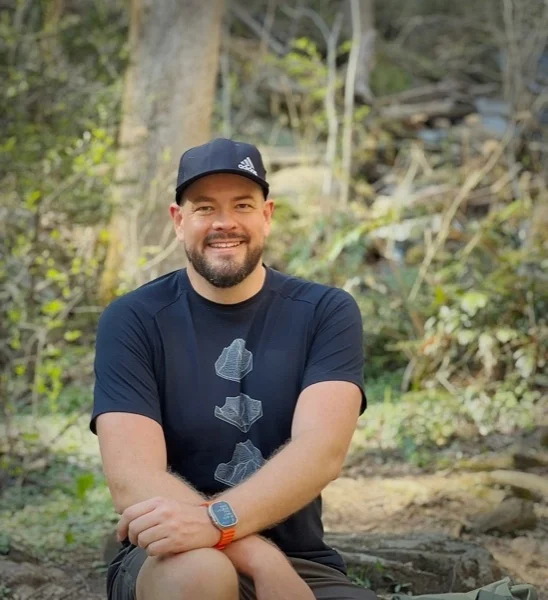
I work with queer men in Asheville and across North Carolina on exactly this. That's the whole job, as an lgbtq coach in Asheville: sitting with men who are trying to figure out what they actually think, want, and believe once they've cleared out what they were handed. This is not therapy. Sometimes that happens on a walk in the mountains. Sometimes it's a direct conversation about what's been running in the background for twenty years. The format varies. The question is always the same: what do you want, now that you're allowed to want things?
The city will hold up its end. Asheville has been doing that for years, and it's good at it. The work that remains is yours, and it's worth doing.